As secondary school teachers it's our job to promote and encourage students of all backgrounds, race, and gender to pursue whatever fields they want to; letting them know that they shouldn't be stopped because of stereotypes of a field (such as engineering is for men). I remember when I was volunteering at an elementary school we had a presentation from the UBC W
omen in Engineering (https://wie.engineering.ubc.ca/), "a faculty-supported student-run organization that promotes gender diversity, equity and inclusion in engineering". I didn't even know this club existed, but the presentation was engaging, inviting, and encouraged young students to not rule out possibilities because of their gender. A friend of mine gave the presentation and I thought it was really interesting and important for young women to have people they could look up to within fields they aren't typically represented; not only that but these were young people becoming engineers, not figure heads and historical figures to look back on, the members of this club were relatable and could connect with the students. I believe that bringing these groups and clubs into our classrooms to talk about their experiences, hardships, and successes can be inspirational for people to help guide their decisions. It's already hard enough to decide what to do when you entire university, I couldn't imagine how stereotypes could also affect decisions.
Much like in our 442 discussion on if Pythagoras was Chinese, we talked about how proper credit should be given to mathematicians that ancient Greeks are given all the credit for. Acknowledging these non-white males could allow students to feel more represented within the classroom and feel more of a connection to the works. Much like this talking point, we should do the same for women in STEM and underrepresented groups. We should acknowledge and give credit for their achievements and hardships.
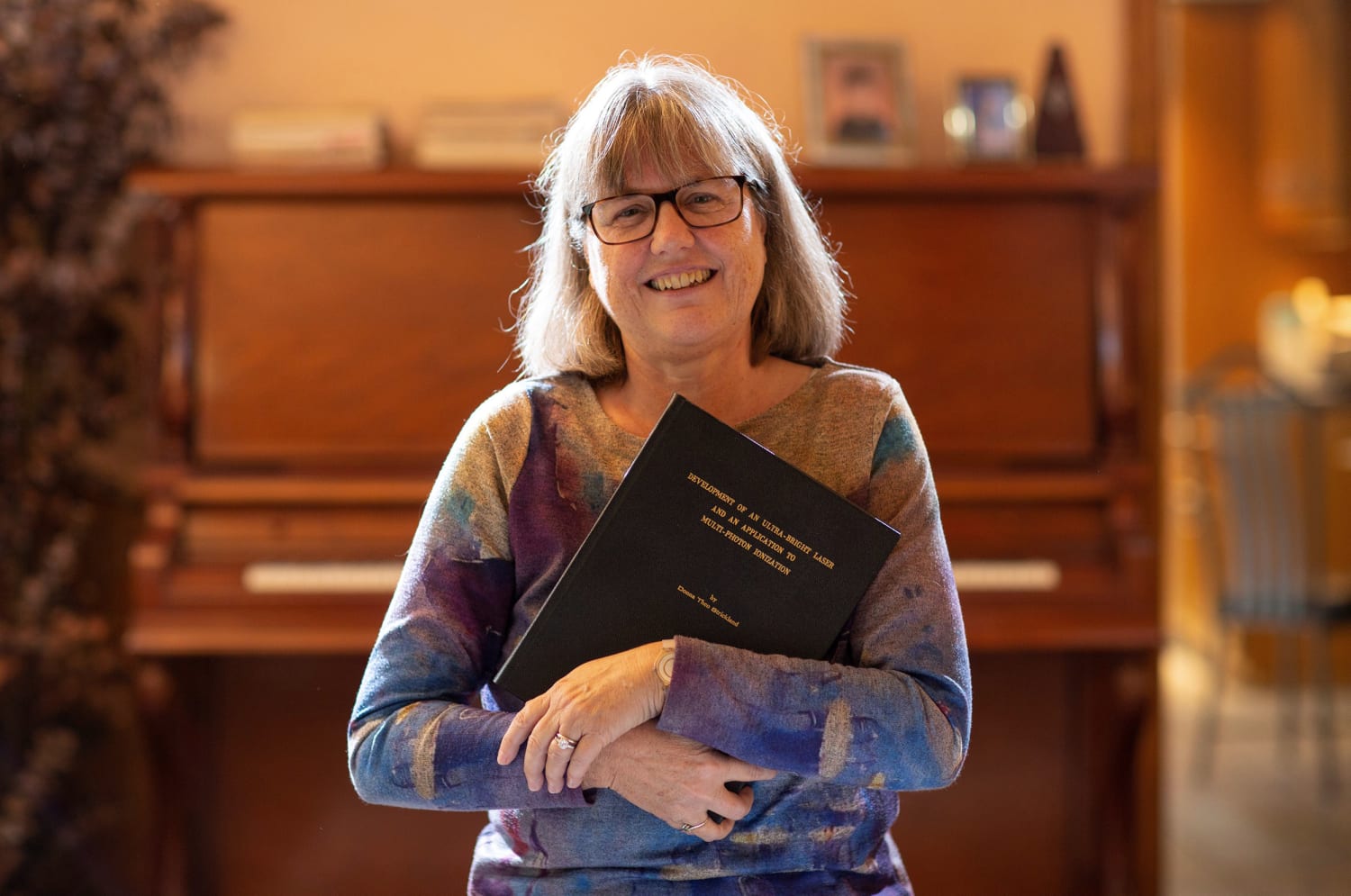
Another way is to acknowledge important figure heads like Donna Strickland, while also being aware of her accomplishments we should also talk about her struggles to give a clear picture what challenges people may face in the STEM programs. As teachers we want to get rid of our biases and invite students to open their eyes to the world of possibilities that is within their grasp. We do not want to unconsciously push our students away from potentially joining the STEM fields by showing them it's male dominated, instead we should encourage our students to break those molds and create their own paths that will inspire many generations to come.



No comments:
Post a Comment